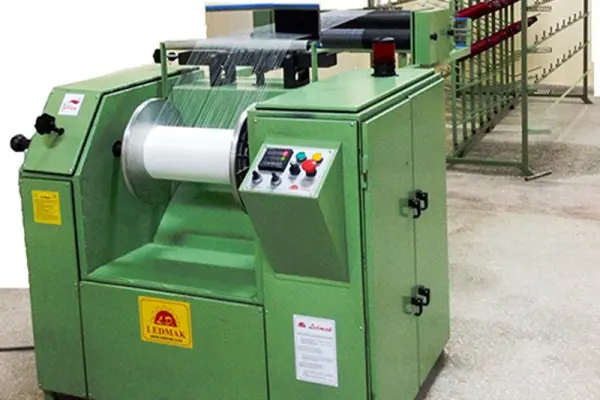
C450 Multi-Purpose Warping Machine
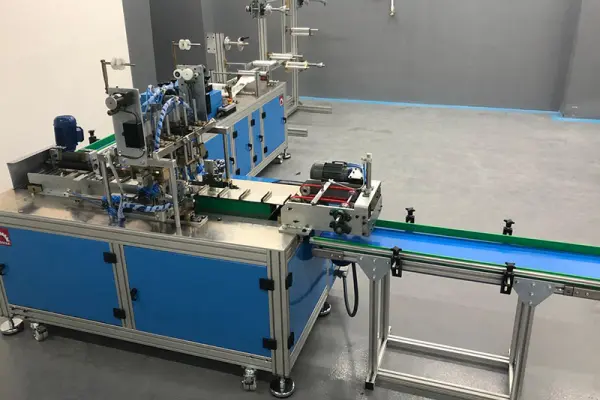
C450L Elastic Warp Knitting Machine
C450x2 Double Winding Warping Machine
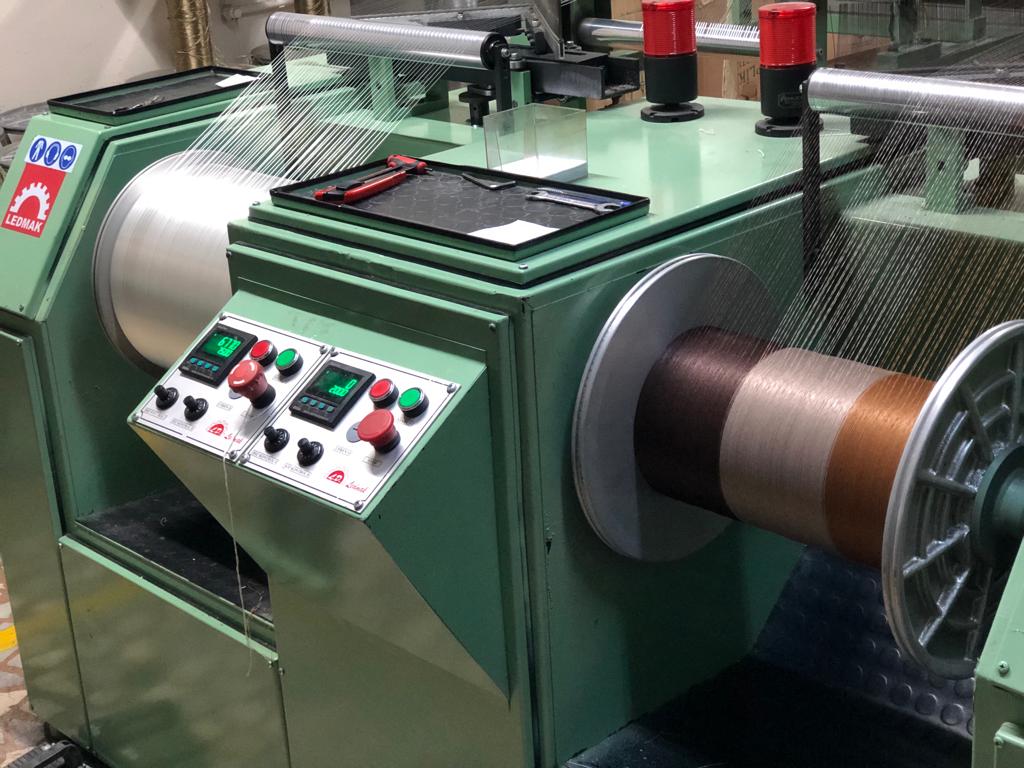
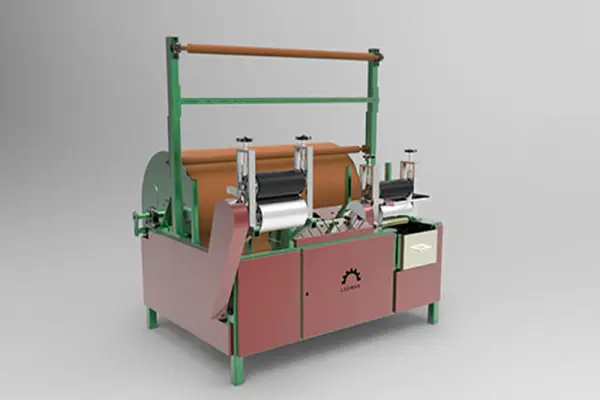
A dual-head warping machine capable of working with all types of yarn. The C450X2 Double Winding Warping Machine is designed for maximum efficiency, minimal space, and minimal operator requirements. With just one operator, you can simultaneously wind and control two different products on this machine. This specially designed warping machine is designed for winding 2 different products or yarns at the same time.
What Are Warping Machines?
Warping machines are essential textile machines designed to prepare yarns for the weaving process by winding them onto beams in an organized and tension-controlled manner. This step is critical in textile production since it ensures that yarns are aligned, evenly tensioned, and ready for efficient weaving. Without warping machines, achieving uniformity and stability in the weaving process would be nearly impossible.
These machines have become indispensable in both small-scale weaving workshops and large-scale textile manufacturing facilities. By automating the warping process, they save time, reduce human error, and provide a consistent setup for subsequent production stages. Warping machines are therefore considered the backbone of weaving preparation in modern textile production.
Applications of Warping Machines
Warping machines are widely used in the preparation stages of textile production. In the fashion and apparel industry, they are essential for creating high-quality woven fabrics for garments, home textiles, and accessories. They are also used in producing fabrics for upholstery, curtains, and decorative textiles where precision and consistency are key.
Beyond fashion, warping machines also serve critical roles in technical textiles and industrial fabrics. They are used in producing materials for automotive interiors, safety equipment, geotextiles, and medical textiles. This wide application range shows how warping machines contribute to both everyday consumer products and highly specialized technical materials.
Advantages of Warping Machine Technology
The technology behind warping machines offers manufacturers numerous benefits. Automated yarn alignment and tension control systems ensure that each warp beam is prepared with maximum precision. This reduces weaving errors such as yarn breakage or uneven fabric quality, ultimately improving production efficiency.
Modern warping machines also feature computerized monitoring systems that allow real-time adjustments during the warping process. This means greater flexibility for operators, better quality control, and reduced production waste. Energy efficiency, low maintenance needs, and long service life make them a valuable long-term investment for textile manufacturers.
Types of Warping Machines
Warping machines come in different types depending on the production requirements. Direct warping machines are typically used for preparing beams with a large number of yarns quickly, making them suitable for mass production. Sectional warping machines, on the other hand, are preferred for patterned or high-quality fabrics, as they allow greater flexibility in yarn arrangement.
There are also specialized warping machines for narrow weaving, denim production, or technical textiles. Each type is designed to meet the unique needs of specific fabric categories. By choosing the right type of warping machine, manufacturers can optimize their workflow and achieve the highest possible efficiency and quality.
Models of Warping Machines
The models of warping machines vary in terms of capacity, automation level, and technical features. Compact models are suitable for small manufacturers or workshops, while large-scale models with advanced automation are designed for industrial use. Many modern models are equipped with features like automatic yarn stop motions, digital displays, and programmable controls.
Advanced models integrate with production management software, allowing manufacturers to monitor performance, detect errors, and optimize workflows. User-friendly interfaces reduce operator training time and minimize mistakes. This diversity in models ensures that businesses of different sizes can find the most suitable machine for their needs.
Warping Machine Prices
The prices of warping machines depend on several factors, including capacity, level of automation, brand reputation, and additional features. Entry-level models are more budget-friendly and are often used by smaller businesses, while high-capacity, fully automated machines require larger investments but deliver superior productivity and efficiency.
Second-hand machines can be an economical choice for businesses with limited budgets, but they may lack the advanced features of new models. While new-generation machines require a higher initial investment, they offer significant long-term benefits such as lower maintenance costs, reduced energy consumption, and improved production quality.
Quality Standards in Warping Machines
Warping machines must adhere to international quality standards to guarantee safety, durability, and precision. Certifications such as CE and ISO indicate that machines are built with high-quality components and comply with global safety regulations. For manufacturers, investing in certified machines ensures both production stability and long-term reliability.
High-quality warping machines excel in maintaining even yarn tension, reducing breakages, and ensuring uniformity across all warp beams. These standards not only improve the efficiency of weaving but also enhance the final product quality. Meeting quality standards is therefore a strategic decision for businesses aiming to remain competitive in the textile industry.
Key Considerations When Purchasing Warping Machines
When purchasing a warping machine, manufacturers must first consider their production needs. Factors such as fabric type, production volume, and yarn specifications will determine the most suitable machine. For example, mass production facilities may benefit from direct warping machines, while sectional warping machines may be better for specialized fabrics.
After-sales support, spare parts availability, and warranty options are also critical considerations. While low-cost machines may appear attractive initially, they often result in higher maintenance expenses over time. Choosing reputable brands with strong technical support ensures a better return on investment and long-term operational efficiency.