Medical Textile Machines

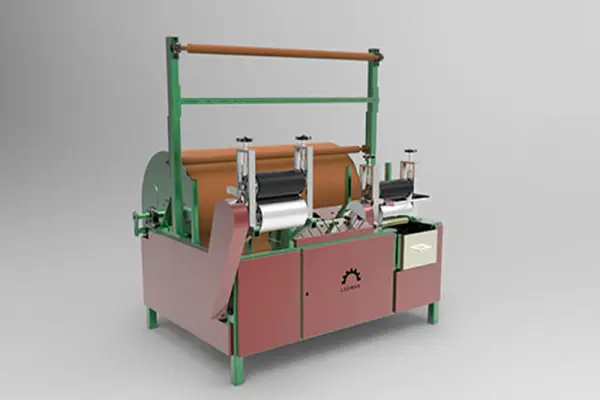
Fully Automatic Dental Cotton Roll Production Machine

Fully Automatic, High-Capacity Dental Cotton Roll Production Line Ledmak Fully Automatic Dental Cotton Roll Production Machine produces dental cotton rolls with diameters ranging from 7 mm to 20 mm with high efficiency, precise thickness, and fully automatically; it delivers them ready for packaging and slicing.

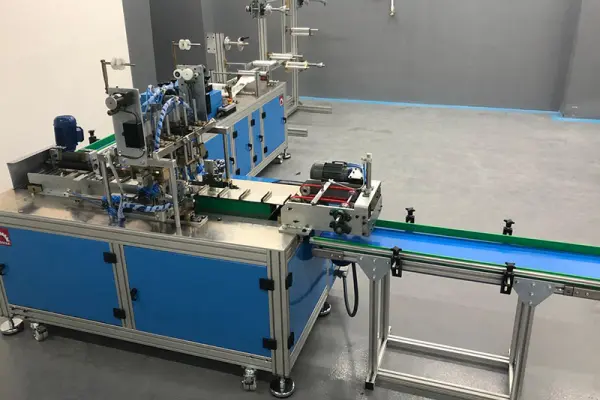
Fully Automatic Mask Production Machine | High-Speed Surgical Mask Production Line

Fully Automatic, High Capacity, 3-Ply Surgical Mask Production Solution. Ledmak Full Automatic Mask Production Machine; is an advanced technology production system that performs 3-ply surgical mask production from nonwoven fabric, ear rubber attachment and ultrasonic welding processes on a single line with full automation with minimum manpower.
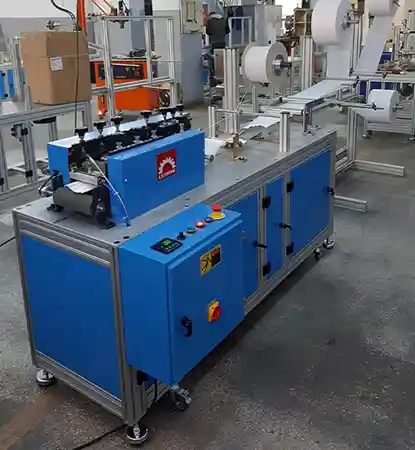
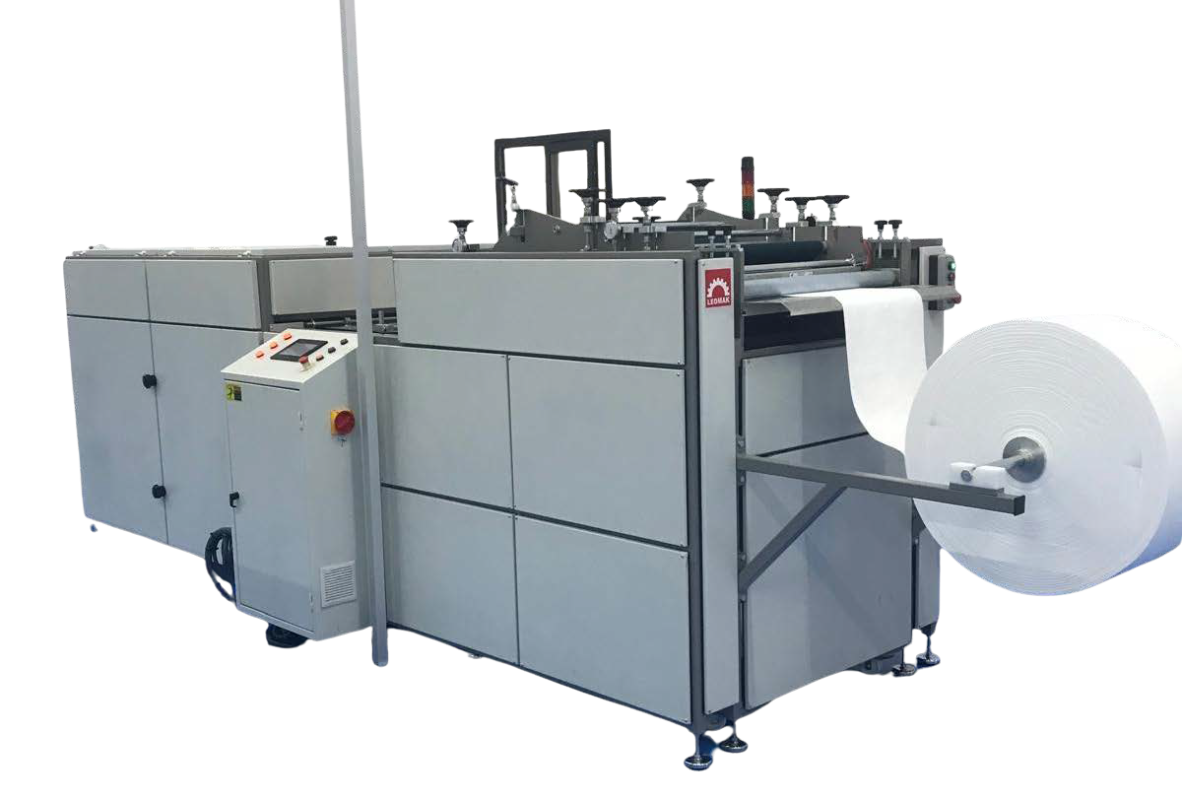
Ultrasonic Mask Body Machine | Mask Production Line Body Unit

High-Speed, Hygienic, and Automatic Ultrasonic Mask Body Welding The Ledmak Ultrasonic Mask Body Machine is a highly efficient, low-maintenance production unit that ultrasonically welds the body layers of 3-ply surgical and KN95 masks.

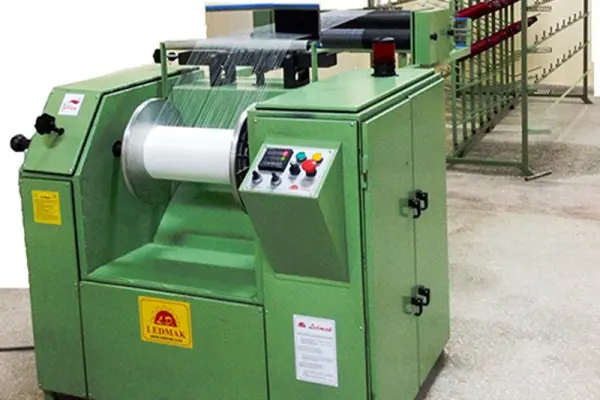
Ultrasonic Mask Ear Loop Welding Machine | High-Speed Ear Loop Attachment Unit

Fully Automatic Ultrasonic Ear Loop Welding System for Surgical Masks The Ledmak Ultrasonic Ear Loop Welding Machine is a high-precision, efficient production unit that automatically welds ear loops to 3-ply surgical, KN95, and FFP2 masks quickly, cleanly, and hygienically.

What Are Medical Textile Machines?

Medical textile machines are specialized industrial machines designed to manufacture healthcare-related textiles with the highest standards of hygiene, safety, and durability. These machines are used to produce a wide range of products, including bandages, surgical masks, dressings, wound care fabrics, surgical gowns, and disposable hygiene products. Unlike standard textile machines, medical textile machines are built with advanced sterilization capabilities and precision control systems to ensure the production of fabrics that meet strict medical requirements.

With their ability to process elastic, nonwoven, and high-performance fibers, medical textile machines allow manufacturers to create products that are both skin-friendly and highly functional. Their importance has grown significantly in recent years, especially with the rising demand for protective healthcare products in hospitals, clinics, and everyday use. These machines are now considered essential for ensuring reliable and scalable production in the medical industry.

Applications of Medical Textile Machines

Medical textile machines play a vital role across many segments of the healthcare industry. In hospitals and clinics, they are responsible for producing essential items such as surgical masks, gowns, gloves, and drapes that protect both patients and healthcare workers from contamination. They are also widely used to manufacture bandages, compression fabrics, and orthopedic support textiles used in rehabilitation and recovery.

In addition to direct medical applications, these machines are also crucial for producing hygiene-related consumer products. Items such as sanitary pads, diapers, and disposable wipes are manufactured using advanced medical textile machinery. Furthermore, technical textiles like filtration fabrics for dialysis or air purification in medical settings also rely heavily on these machines. This diversity makes them indispensable in both healthcare facilities and daily hygiene needs.

Advantages of Medical Textile Machine Technology

The technology behind medical textile machines brings numerous advantages to manufacturers. High-speed production combined with precision ensures that every product meets medical-grade standards. Automated tension control, sterilization processes, and defect detection systems minimize the risk of contamination and ensure uniform quality across large production batches.

Moreover, modern machines are designed with energy efficiency and eco-friendliness in mind. They consume less power while delivering higher output, making them cost-effective in the long term. The integration of digital monitoring systems also enables operators to oversee every stage of production, ensuring maximum efficiency and compliance with global healthcare regulations.

Types of Medical Textile Machines

Medical textile machines come in various types depending on the production requirements. Nonwoven machines are widely used for producing disposable products like masks, gowns, and wipes. Knitting and weaving machines are used for bandages, orthopedic supports, and compression textiles. Specialized elastic band machines focus on items such as medical braces and rehabilitation supports.

There are also coating and lamination machines designed to enhance fabrics with waterproof, antibacterial, or flame-retardant properties. Ultrasonic bonding machines allow seamless and stitch-free production, which is especially important for hygiene and comfort. This range of machine types enables manufacturers to address different segments of the medical textile industry with precision.

Models of Medical Textile Machines

Medical textile machine models differ based on production capacity, automation level, and technical features. Compact and entry-level models are ideal for smaller manufacturers or startups, while large-scale, fully automated models are designed for mass production. Modern models often include automatic yarn feeding, real-time monitoring, and precision sterilization systems.

Advanced models are also equipped with user-friendly digital interfaces and software integration, allowing operators to control every aspect of production with ease. Features like data recording and error detection enhance productivity and reduce downtime. The variety of available models ensures that businesses of all sizes can find a machine that fits their specific production goals.

Medical Textile Machine Prices

The prices of medical textile machines vary depending on the type, production capacity, level of automation, and brand reputation. Entry-level machines are more affordable, making them suitable for small businesses or new ventures in the healthcare market. In contrast, fully automated machines with advanced sterilization and monitoring features require higher investments but deliver greater efficiency and reliability.

Second-hand machines may appeal to businesses with limited budgets, but they may lack the modern features needed for compliance with strict medical standards. While new-generation machines come at a higher upfront cost, they prove more economical over time due to lower maintenance needs, better efficiency, and the ability to meet regulatory requirements. Businesses should evaluate not only the purchase price but also the long-term return on investment.

Quality Standards in Medical Textile Machines

Compliance with international quality standards is a must for medical textile machines. Certifications such as CE, ISO, and GMP (Good Manufacturing Practice) ensure that machines meet safety, hygiene, and performance requirements. These standards are critical in ensuring that medical textiles produced are safe for patient use and consistent in quality.

High-quality machines guarantee stable production with minimal downtime, reduced defect rates, and enhanced durability. By adhering to these standards, manufacturers not only ensure regulatory compliance but also build customer trust. This makes quality certifications not just a necessity but also a competitive advantage in the global medical textile market.

Key Considerations When Purchasing Medical Textile Machines

When investing in medical textile machines, businesses must first define their production needs, such as product type, volume, and material requirements. For example, machines for nonwoven disposable products differ significantly from those needed for elastic bandages or orthopedic textiles. Selecting the right machine requires a thorough needs assessment.

In addition, after-sales service, technical support, and spare part availability are crucial factors to consider. A low-cost machine may look attractive initially, but without reliable support, it can lead to costly downtime. Choosing reputable brands with proven track records ensures that businesses can sustain long-term operations, achieve compliance, and maintain consistent quality.