Roll Winding Machines

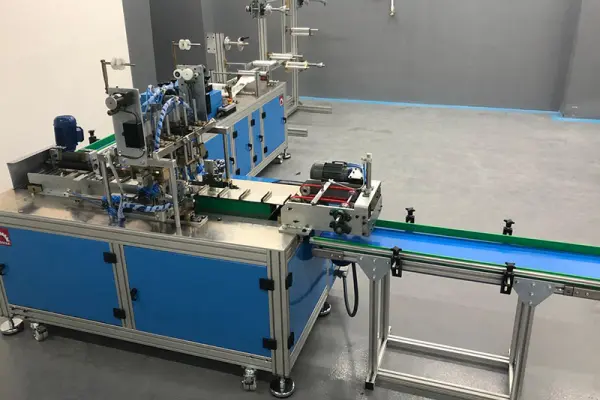
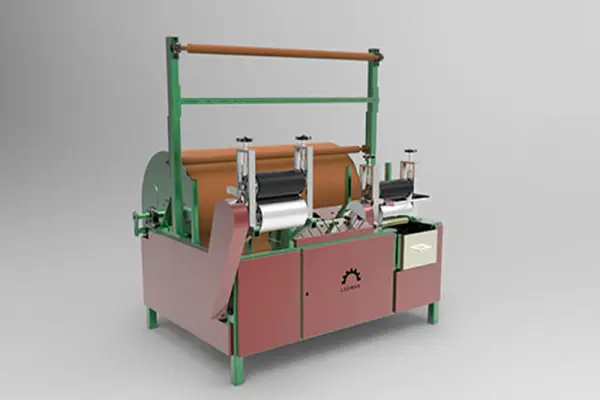
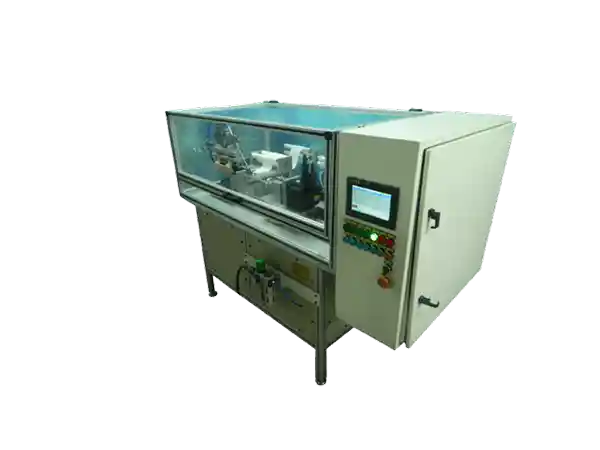
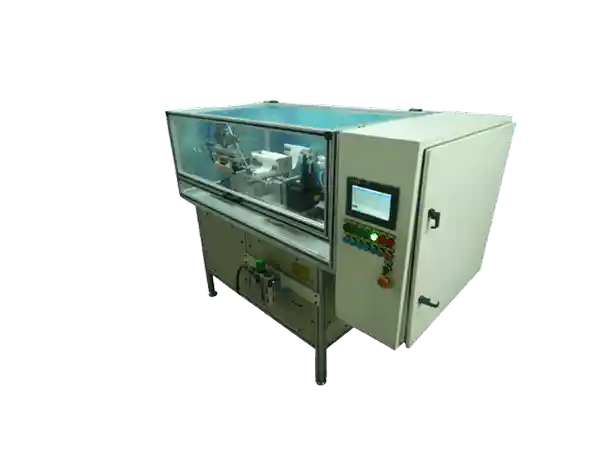
LEDROLL7 Automatic Bandage Roll Wrapping and Cutting Machine

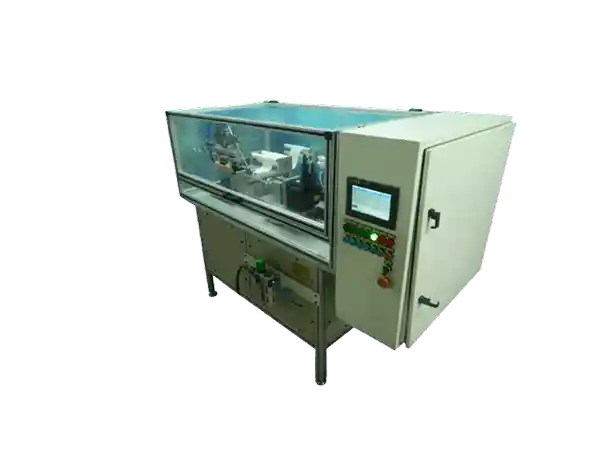
LEDROLL7 is an automatic bandage winding and cutting machine specially designed for the medical textile industry. The LEDROLL7 fully automatic gas-powered cloth winding and cutting machine is manufactured to meet the specific needs of the medical textile industry. The machine performs the winding and cutting process using its electronic servo control systems and pneumatic piston systems. The dimensions of the winding fabric to be wound and cut can be easily adjusted using the PLS touch screen on the machine. Special tensioning devices are available on the machine to ensure the correct flow and tension of the winding fabric during cutting.
What Are Roll Winding Machines?

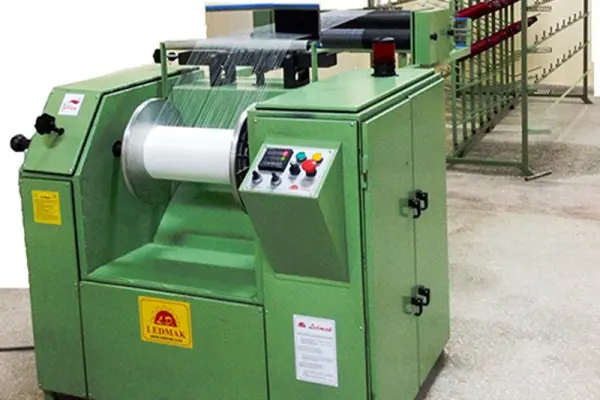
Roll winding machines are industrial machines designed to wind materials such as textiles, paper, plastic films, foils, and nonwoven fabrics into compact rolls for storage, packaging, and further processing. They ensure that materials are rolled evenly, under controlled tension, and with precision alignment. By automating the winding process, these machines eliminate manual inefficiencies and provide consistency across large production runs.

These machines are widely used in industries where materials must be prepared for transport or subsequent manufacturing steps. Whether in textile mills, printing facilities, or packaging plants, roll winding machines play a critical role in improving productivity, reducing waste, and maintaining quality standards throughout the supply chain.

Applications of Roll Winding Machines

Roll winding machines have extensive applications across multiple sectors. In the textile industry, they are used to wind fabrics, ribbons, elastic bands, and technical textiles into standardized rolls for easy handling and transport. In the packaging industry, they are indispensable for preparing plastic films, stretch wraps, and foils for commercial use.

The paper and printing sectors also rely heavily on roll winding machines to prepare paper reels, printed materials, and adhesive labels. Additionally, in industrial and automotive sectors, they are used to wind technical fabrics, insulation materials, and specialized industrial films. Their versatility makes them vital in both consumer product manufacturing and industrial production lines.

Advantages of Roll Winding Machine Technology

The technology behind roll winding machines offers businesses numerous advantages. Automated tension control ensures that materials are wound uniformly without wrinkles, overlaps, or loose edges. This results in rolls that are easier to handle, store, and process in subsequent manufacturing steps. Furthermore, automation reduces human error, increases productivity, and minimizes material waste.

Modern roll winding machines also incorporate advanced features such as edge alignment systems, automatic roll change, and digital monitoring. These technologies allow manufacturers to maintain consistent quality while meeting high-volume demands. In addition, energy-efficient designs and low-maintenance components reduce operational costs, making these machines a long-term investment.

Types of Roll Winding Machines

Roll winding machines are available in different types depending on the materials and production needs. Surface winding machines are ideal for soft materials like textiles and nonwovens, while center winding machines are used for films, foils, and paper where precise tension control is required. Combination winding machines offer flexibility to handle different materials.

Specialized roll winding machines are also designed for heavy-duty industrial applications, including automotive textiles, geotextiles, and insulation materials. For high-speed operations, fully automated roll winding machines provide continuous production with minimal operator intervention. This variety ensures that manufacturers can select the right machine to suit their production goals.

Models of Roll Winding Machines

The models of roll winding machines differ based on production capacity, automation level, and additional features. Entry-level models are compact and affordable, making them suitable for smaller workshops. High-capacity models, on the other hand, are designed for industrial use, offering advanced features such as automatic roll ejection, programmable tension settings, and integrated quality control.

Advanced models often come with digital interfaces and software integration, allowing real-time monitoring and performance optimization. User-friendly controls reduce operator training requirements, while automated safety features minimize risks. With such a broad selection of models, businesses of any size can find roll winding machines tailored to their needs.

Roll Winding Machine Prices

The prices of roll winding machines vary significantly depending on production capacity, level of automation, material compatibility, and brand reputation. Basic manual or semi-automatic models are more affordable, providing cost-effective solutions for small-scale businesses. Fully automated machines, while requiring a larger investment, deliver higher efficiency and faster return on investment.

Second-hand roll winding machines can also be an option for businesses with tighter budgets. However, they may not provide the advanced features, energy savings, or long-term reliability offered by new-generation models. When evaluating prices, businesses should consider the total cost of ownership, including energy consumption, maintenance, and long-term performance.

Quality Standards in Roll Winding Machines

Quality standards are essential for roll winding machines to ensure safety, durability, and consistent performance. Machines with CE and ISO certifications meet international requirements, guaranteeing reliability in industrial environments. Compliance with these standards also means that the machines are built to reduce downtime and maximize output.

High-quality roll winding machines ensure consistent roll formation, precise tension control, and minimal material waste. By investing in certified machines, businesses not only secure production stability but also enhance customer satisfaction through reliable, high-quality products. This makes compliance with quality standards a key consideration in the selection process.

Key Considerations When Purchasing Roll Winding Machines

When purchasing a roll winding machine, businesses should carefully assess their production requirements. The type of material to be wound, the desired roll size, and the production volume are critical factors in determining the right machine. For example, film and foil applications may require precise tension control, while textile winding may demand flexibility and speed.

After-sales service, spare part availability, and warranty terms are equally important. A machine with strong technical support can prevent costly downtimes and ensure long-term operational efficiency. While low-cost machines may seem attractive initially, investing in a reliable, well-supported model ultimately delivers higher returns and sustained productivity.