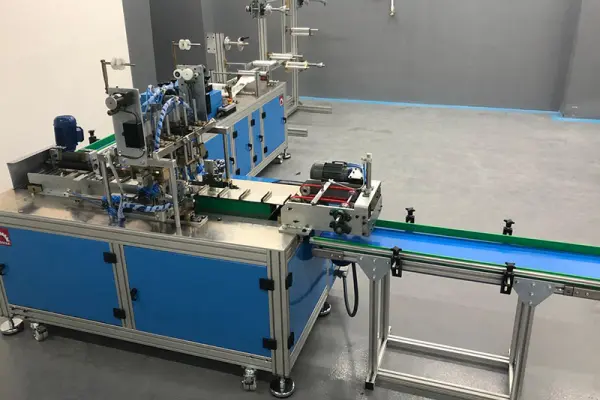
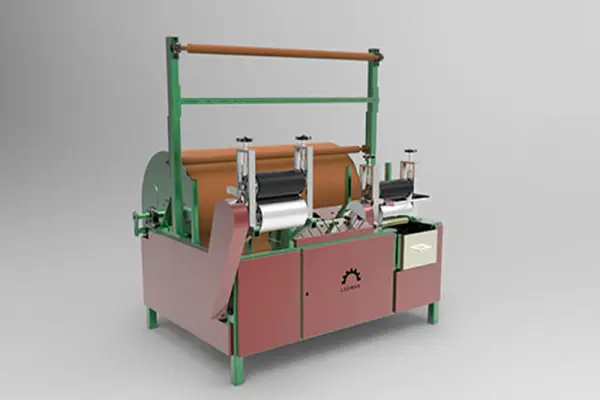
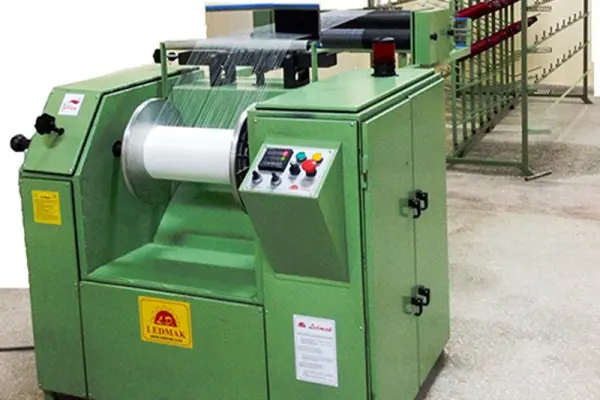
Continuous Finishing Machine | Continuous Finishing and Fixing Line for Narrow Woven Strips
LED3000 Series Continuous Fixing and Drying Machine | Compact Finishing Unit for Narrow Woven Strips
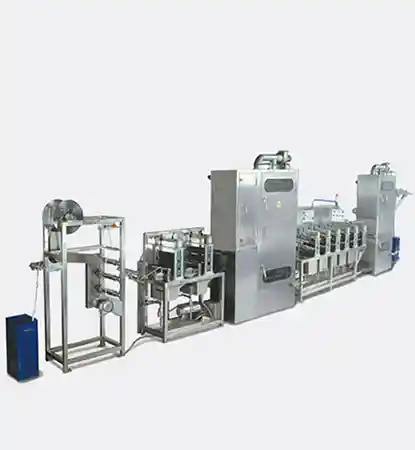
Painting Machines
What Are Painting / Coating / Finishing Machines?
Painting, coating, and finishing machines are advanced industrial systems designed to enhance the appearance, performance, and durability of various materials, particularly textiles, leather, paper, plastics, and metals. Painting machines focus on applying uniform colors or patterns, coating machines add functional layers such as waterproofing, flame resistance, or antibacterial finishes, while finishing machines refine texture, softness, or gloss. These machines are integral to delivering products that meet both aesthetic and functional standards in competitive industries.
Unlike traditional manual methods, these machines are engineered to provide consistent quality across large production runs. Automated controls, precision application technologies, and energy-efficient designs make them indispensable for modern factories. From fashion and furniture to automotive and medical applications, painting, coating, and finishing machines ensure that products not only look appealing but also meet strict performance requirements.
Applications of Painting / Coating / Finishing Machines
These machines have widespread applications across multiple industries. In textiles, they are used to dye fabrics, apply water-repellent coatings, or add wrinkle-free properties to garments. In leather and footwear, finishing machines provide polished textures, gloss, or protective coatings that enhance durability and consumer appeal.
In the automotive and aerospace industries, coating machines are crucial for applying protective and functional layers on technical fabrics, composites, and interiors. They are also used in producing medical textiles, packaging materials, and industrial fabrics that demand properties such as chemical resistance, breathability, or sterilization. Their versatility demonstrates their essential role in delivering high-performance products across diverse markets.
Advantages of Painting / Coating / Finishing Machine Technology
The technology behind these machines offers significant advantages for manufacturers. Automated systems ensure precision and uniform application, reducing human error and material waste. High-speed production capabilities also allow businesses to scale operations efficiently without compromising on quality.
Additionally, modern painting, coating, and finishing machines are equipped with eco-friendly features such as low-energy consumption, minimal water usage, and reduced emissions. This not only lowers operational costs but also supports sustainability goals, helping businesses comply with global environmental standards. The combination of efficiency, quality, and sustainability makes these machines a strategic investment for forward-looking manufacturers.
Types of Painting / Coating / Finishing Machines
There are several types of machines designed to meet different production requirements. Painting machines include spray systems, roller coaters, and digital printing machines for adding colors and patterns. Coating machines vary from direct coating systems to lamination and foam coating units that provide functional enhancements.
Finishing machines encompass a wide range of equipment such as sanforizing machines, calenders, and fular systems, each designed to refine the final texture and properties of fabrics or materials. Specialized models also exist for technical textiles, nonwoven fabrics, and industrial composites. This diversity ensures that manufacturers can choose the most suitable solution for their product portfolio.
Models of Painting / Coating / Finishing Machines
Models of these machines differ in automation levels, capacity, and technological features. Compact models are suitable for small-scale operations or specialized product lines, while high-capacity, fully automated models are designed for industrial-scale production. Key features often include automatic dosing systems, digital monitoring, and programmable settings for different materials.
Advanced models integrate software and IoT systems, allowing manufacturers to track performance in real time, optimize production, and ensure consistent quality. User-friendly designs with touchscreen interfaces reduce operator training needs, while safety mechanisms improve workplace reliability. This range of models provides solutions tailored to both small businesses and large industrial producers.
Painting / Coating / Finishing Machine Prices
Prices of these machines depend on factors such as production capacity, level of automation, material compatibility, and brand reputation. Entry-level machines are more affordable and ideal for startups or smaller manufacturers, while high-end models with advanced automation and eco-friendly technologies require larger investments.
Although second-hand machines may provide short-term cost savings, new-generation machines deliver greater long-term value through reduced maintenance needs, energy efficiency, and compliance with global standards. When evaluating prices, businesses should focus not just on the initial investment but also on the long-term return in terms of productivity, sustainability, and product quality.
Quality Standards in Painting / Coating / Finishing Machines
Machines in this category must comply with international quality and safety standards to ensure reliability and performance. Certifications such as CE, ISO, and OEKO-TEX are common indicators of compliance with global regulations. These certifications guarantee that machines can safely and consistently produce fabrics and materials that meet industry requirements.
High-quality machines offer consistent coating thickness, accurate finishing effects, and minimized defects, ensuring end products that meet customer expectations. By choosing certified machines, manufacturers can reduce risks, enhance efficiency, and improve their competitiveness in global markets. Quality compliance is therefore not just a requirement but a strategic advantage.
Key Considerations When Purchasing Painting / Coating / Finishing Machines
When investing in these machines, businesses must first identify their production needs—whether they require coloring, functional coatings, or surface finishing. Factors such as material type, production volume, and desired effects play a crucial role in selecting the right equipment. For instance, a textile producer may prioritize wrinkle-free finishing, while an automotive supplier may need flame-retardant coatings.
Additionally, after-sales support, spare part availability, and warranty services are essential for long-term reliability. While low-cost machines may appear attractive initially, they can result in higher maintenance costs and downtime. Opting for reputable brands with strong service networks ensures consistent production quality, regulatory compliance, and maximum return on investment.