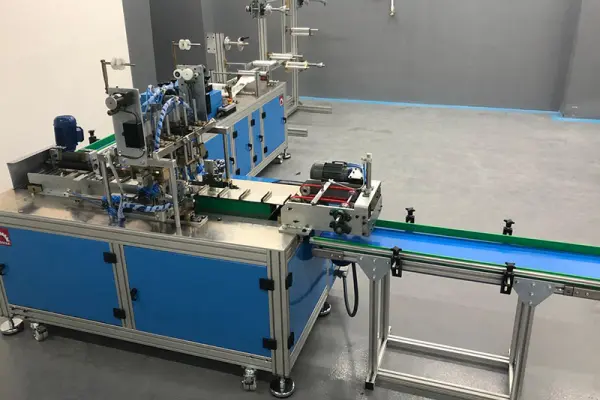
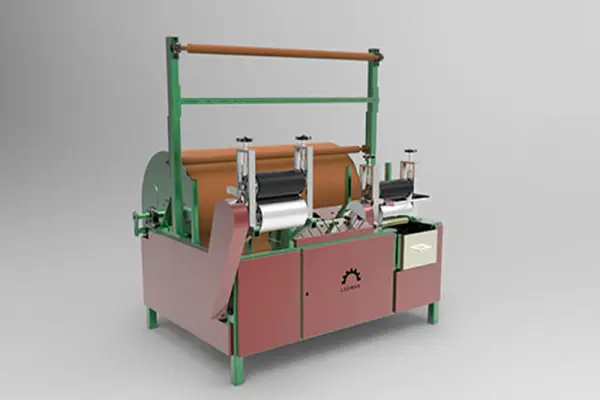
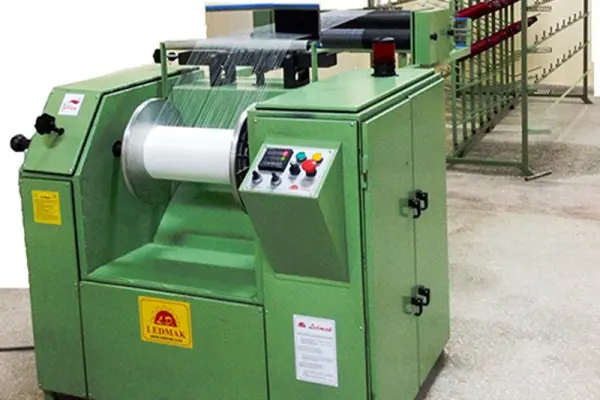
LD609-B3 Crochet Knitting Machine
Ledmak high-speed crochet knitting machine is designed for the production of various elastic and flat ribbons. Thanks to the machine's high speed and production performance, it always provides users with an advantage in the production of rubber and flat ribbons. The machine can produce all kinds of elastic and tape from 0.5 cm to 5.5 cm in width.
LD609-B8 Crochet Knitting Machines
The Ledmak high-speed crochet knitting machine is designed The Ledmak high-speed crochet knitting machine is designed for the production of various rubber, ribbon, and lace products. The machine is equipped with 8 heddle bars with a buckle system. This makes it possible to create various patterns up to 50 mm. Main Production: All types of plain rubber, patterned rubber, strips, and lace
LD609-BK Crochet Knitting Machines
The LD609-BK Crochet Knitting Machine is a high-performance, user-friendly knitting system developed specifically for medical textile production. Thanks to its large warp capacity and weft insertion system up to 30cm, it provides superior efficiency in the production of medical products such as bandages, elastic bandages, gauze, and medical back braces.
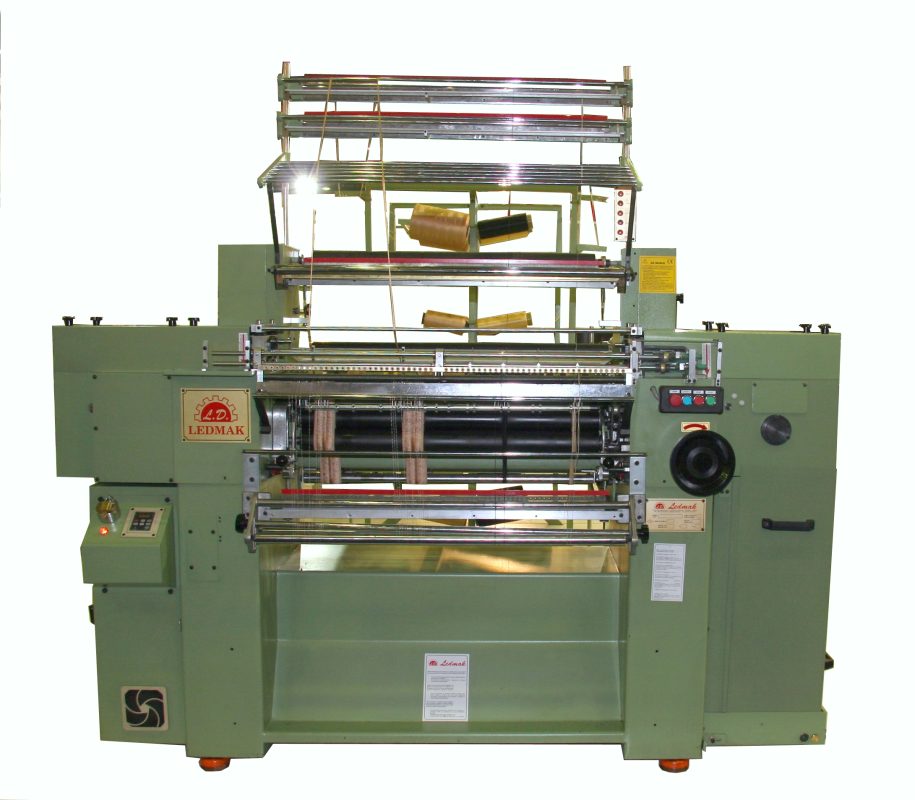
LD809-B3 Crochet Knitting Machines
Ledmak high-speed crochet knitting machine for the furniture and accessories sector for various fringes, lace, pom-poms, etc. is designed for production. Thanks to the machine's high speed and production performance, it always provides users with an advantage in production. The machine is available in three different models: 3 Bar (LD809B3), 6 Bar (LD809B6), and 8 Bar (LD809B8). Main Production: All kinds of fringes, lace, ribbons, braids, etc. products
LD1009 Crochet Knitting Machines
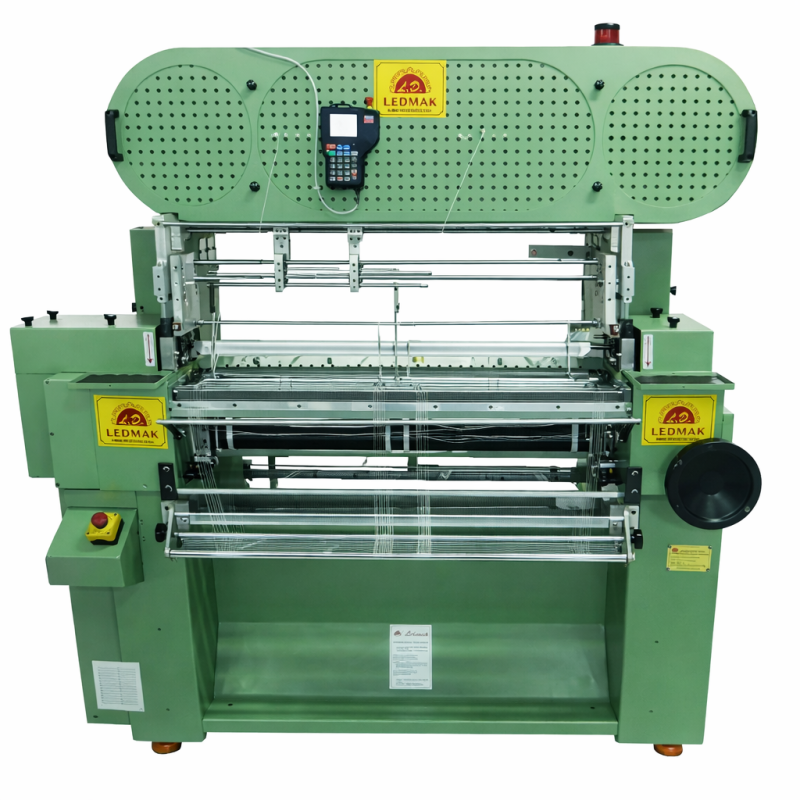
The Ledmak high-speed crochet knitting machine is primarily designed to produce sack netting up to 500 mm for the baffle net industry. Thanks to the machine's high speed and production performance, it always provides users with an advantage in production. Thanks to the machine's 1009 mm working width and electronic weft system, 500 mm x 2 bands can be used for all kinds of nets, sack nets, etc. products are manufactured. Main Production: Sack nets, construction nets, work safety nets, transport nets, etc.
Carpet Fringe Production Machine
Developed by Ledmak, the Carpet Fringe Production Knitting Machine is engineered based on the company’s extensive expertise in crochet knitting and narrow fabric weaving machines. The machine is specifically designed for the efficient and consistent production of fringes used on carpet edges, ensuring uniform structure, precise dimensions, and high tensile strength.
Baffle Net Production Machine
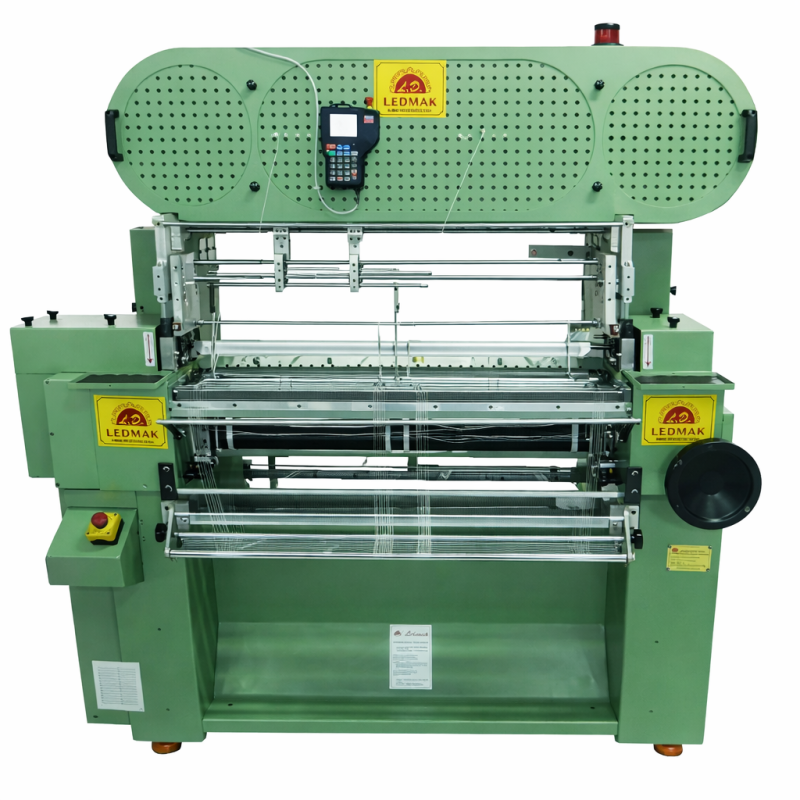
The Ledmak high-speed crochet knitting machine is primarily designed to produce sack netting up to 500 mm for the baffle net industry. Thanks to the machine's high speed and production performance, it always provides users with an advantage in production. Thanks to the machine's 1009 mm working width and electronic weft system, 500 mm x 2 bands can be used for all kinds of nets, sack nets, etc. products are manufactured. Main Production: Sack nets, construction nets, work safety nets, transport nets, etc.
Bandage, Elastic Bandage and Gauze Production Machine
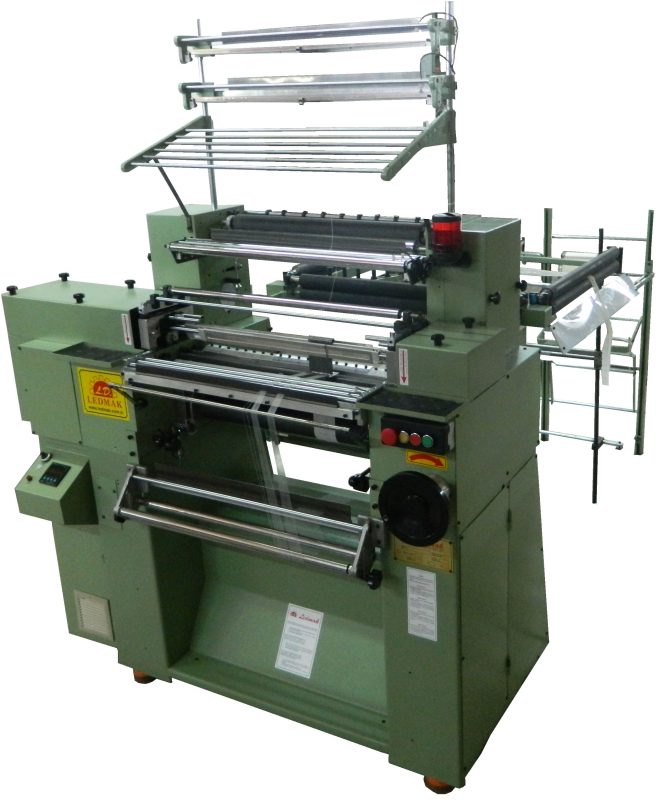
Ledmak high-speed crochet knitting machine is designed for the production of various elastic and flat ribbons. Thanks to the machine's high speed and production performance, it always provides users with an advantage in the production of rubber and flat ribbons. The machine can produce all kinds of elastic and tape from 0.5 cm to 5.5 cm in width.
What Are Crochet Knitting Machines?
Crochet knitting machines are advanced textile machines specifically designed to produce narrow fabrics such as decorative trims, laces, ribbons, elastic bands, and technical textile products. Unlike conventional weaving machines, crochet knitting machines use a unique system of needles, hooks, and guide bars to create intricate designs and elastic properties within fabrics. Their precision allows manufacturers to produce both decorative and functional fabrics at high speed and consistent quality.
These machines are widely recognized for their versatility and ability to handle different yarn types, including cotton, polyester, nylon, and elastic threads. With advanced control systems, crochet knitting machines ensure accuracy, minimize waste, and enable manufacturers to explore creative patterns. Their role is essential not only in fashion and apparel but also in industrial and medical textile production, making them a cornerstone of modern textile technology.
Applications of Crochet Knitting Machines
Crochet knitting machines are used across multiple industries due to their ability to produce both decorative and technical fabrics. In the fashion industry, they are utilized to manufacture lace, ribbons, and ornamental trims that are applied to garments, lingerie, and accessories. These machines also play a vital role in sportswear production by creating elastic bands, waistbands, and performance-based fabrics.
In addition, crochet knitting machines are widely used in medical textiles, producing elastic bandages, orthopedic supports, and compression fabrics that require durability and comfort. The automotive industry also benefits from these machines, particularly in the production of safety harnesses and reinforcement straps. Their broad application highlights the adaptability of crochet technology in meeting diverse industrial and consumer demands.
Advantages of Crochet Knitting Machine Technology
The technology behind crochet knitting machines offers numerous benefits to manufacturers. They provide speed, precision, and efficiency, enabling the production of high-quality narrow fabrics in shorter cycles. Automatic tension control and error detection systems ensure consistency, reducing production defects and increasing overall reliability.
Modern crochet knitting machines are often equipped with computerized control systems that allow operators to easily adjust designs, patterns, and production parameters. This flexibility helps businesses adapt quickly to market trends and customer demands. Combined with energy-efficient designs and low maintenance requirements, crochet knitting machines present a sustainable and cost-effective solution for textile manufacturers.
Types of Crochet Knitting Machines
Crochet knitting machines come in several types, depending on production requirements. Standard crochet machines are designed for decorative trims, ribbons, and lace production. Elastic crochet machines are specialized for manufacturing elastic bands used in clothing, sportswear, and medical applications.
Jacquard crochet knitting machines allow complex patterns and designs to be incorporated into fabrics, making them suitable for high-end fashion or technical textile applications. Additionally, heavy-duty crochet machines are developed for industrial purposes such as safety belts, reinforcement webbings, and durable straps. Each type serves specific production needs, offering a tailored solution for different sectors.
Models of Crochet Knitting Machines
The models of crochet knitting machines vary in their features, speed, and production capacity. Entry-level models are compact, affordable, and suitable for small-scale manufacturers, while advanced models are designed for large-scale production with high-speed and automated systems. Features such as electronic pattern control, automatic yarn feeding, and digital displays are common in modern machines.
High-end models integrate software systems that enable real-time monitoring and data analysis, ensuring efficiency and productivity. User-friendly designs also make them easier to operate, reducing training times and minimizing human error. With a wide variety of models available, businesses can select machines that align perfectly with their production scale and objectives.
Crochet Knitting Machine Prices
The prices of crochet knitting machines depend on several factors, including production capacity, level of automation, brand, and additional features. Basic machines are more affordable and suitable for small workshops, while advanced, fully automated machines require higher investments but provide long-term benefits through efficiency and productivity.
Second-hand machines are often considered by businesses with limited budgets. However, new-generation machines with energy-saving designs and advanced technologies are more cost-effective in the long run. When evaluating prices, it is important for manufacturers to consider not just the initial cost but also the long-term value the machine brings in terms of reduced waste, consistent quality, and higher output.
Quality Standards in Crochet Knitting Machines
Crochet knitting machines must comply with international quality standards to ensure safety, durability, and consistency. Machines certified with CE and ISO standards provide reliability and guarantee adherence to global manufacturing practices. These certifications also reflect the machine’s capability to meet hygiene and safety requirements, which are crucial for medical and industrial applications.
High-quality machines excel in maintaining consistent fabric tension, minimizing yarn breakage, and delivering accurate patterns at high speeds. Manufacturers that choose certified and reliable machines benefit from stable production processes, reduced downtime, and improved customer satisfaction. Quality compliance is not just a technical requirement but also a strategic choice for long-term business growth.
Key Considerations When Purchasing Crochet Knitting Machines
When purchasing a crochet knitting machine, businesses should evaluate their production needs, such as fabric type, volume, and design complexity. The choice of machine will depend on whether it is intended for decorative lace, elastic bands, or technical textiles. Considering the yarn types and pattern requirements is essential for selecting the right model.
After-sales service, spare parts availability, and warranty options should also be key decision factors. While lower-cost machines may seem attractive initially, they can lead to higher maintenance expenses and downtime in the long run. Opting for reputable brands with strong technical support ensures reliability and maximum return on investment, helping businesses sustain long-term competitiveness.